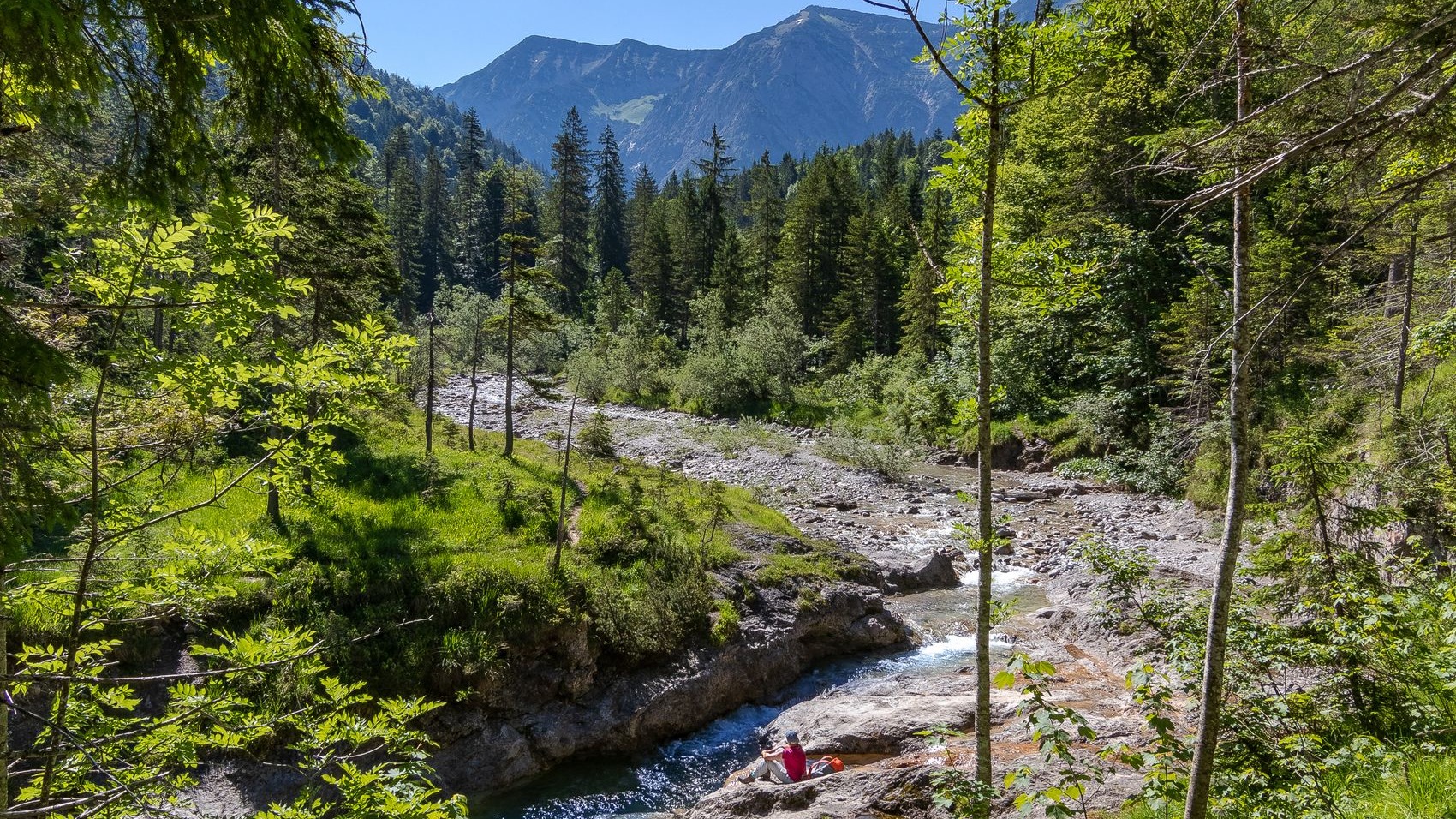
The path begins in an Alpine valley that still holds the cool air of the night. Grass is wet, the first sunlight only reaches the upper slopes, and the mountains ahead look like a row of paper cut-outs, each one paler than the last.
Late summer is a generous season for hiking. The heat of July has gone, the trails are quiet, and the light has a warmth that makes even familiar landscapes look new. I walk without a fixed plan, following the ridge line whenever a path offers itself.
What fascinates me about layered mountains is the way distance changes colour. Stone is grey, green or brown up close, but a few kilometres away it becomes blue – a soft, almost atmospheric blue that has less to do with the rock than with the air between us and the horizon.
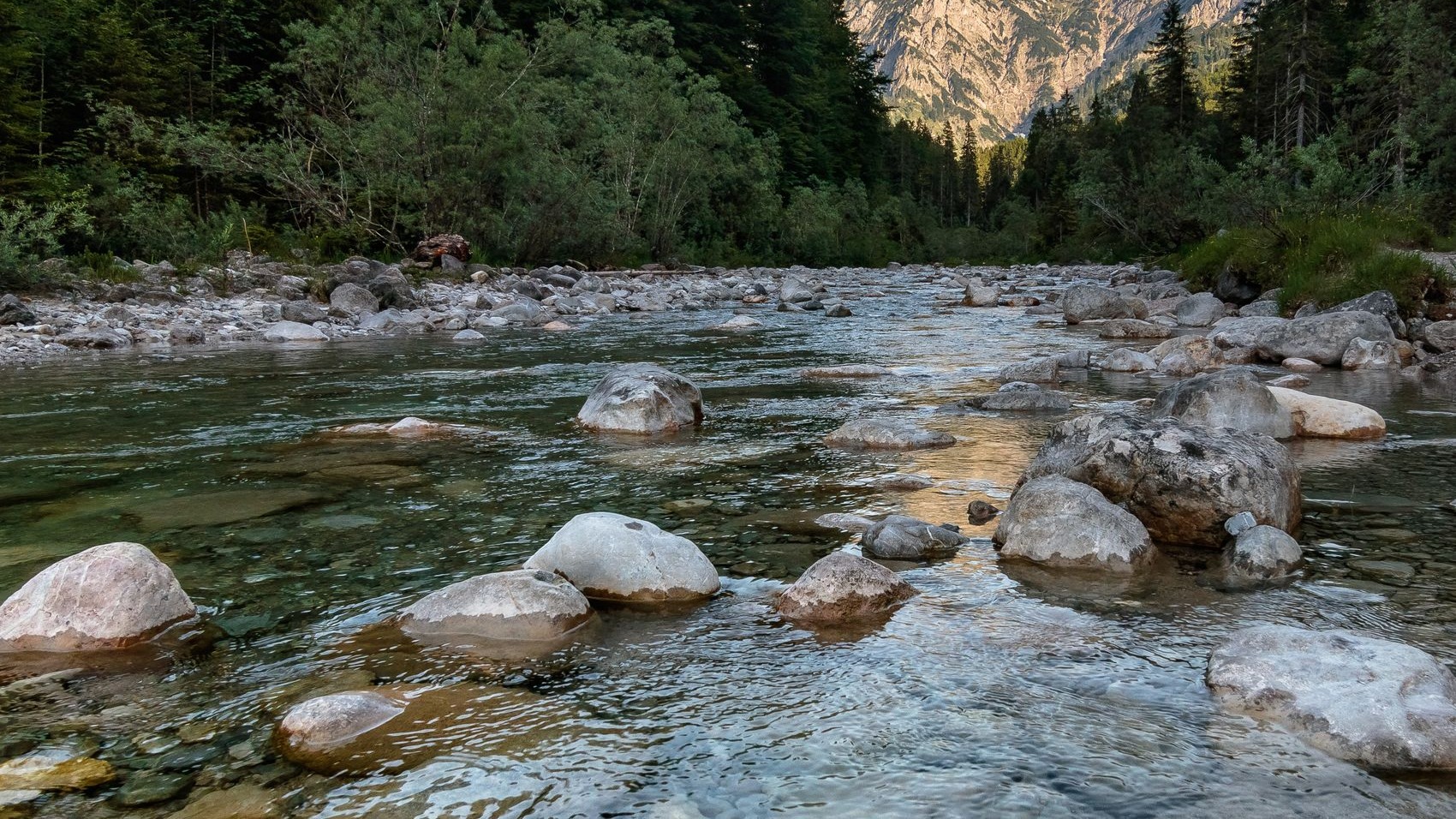
Around noon the light becomes flat and the landscape seems to close in on itself. I stop at a small spring, fill my bottle and wait for the shadows to lengthen again. There is no rush. The best views are not always at the summit; sometimes they appear from a bend in the path, between two trees, or just above a patch of scree.
On the way back the sun is already low. The ridges that looked blue in the morning now glow warm, and the valley below fills with a soft haze. I take one last photograph, then put the camera away and walk the final hour without it.
The blue of the mountains remains in my memory long after the colours have faded from the screen. It is a reminder that landscape is never only what is in front of us – it is also the air, the distance and the light that connects the two.